What Roofing Contractor Services Does Family Roofing Offer in Anderson, SC?
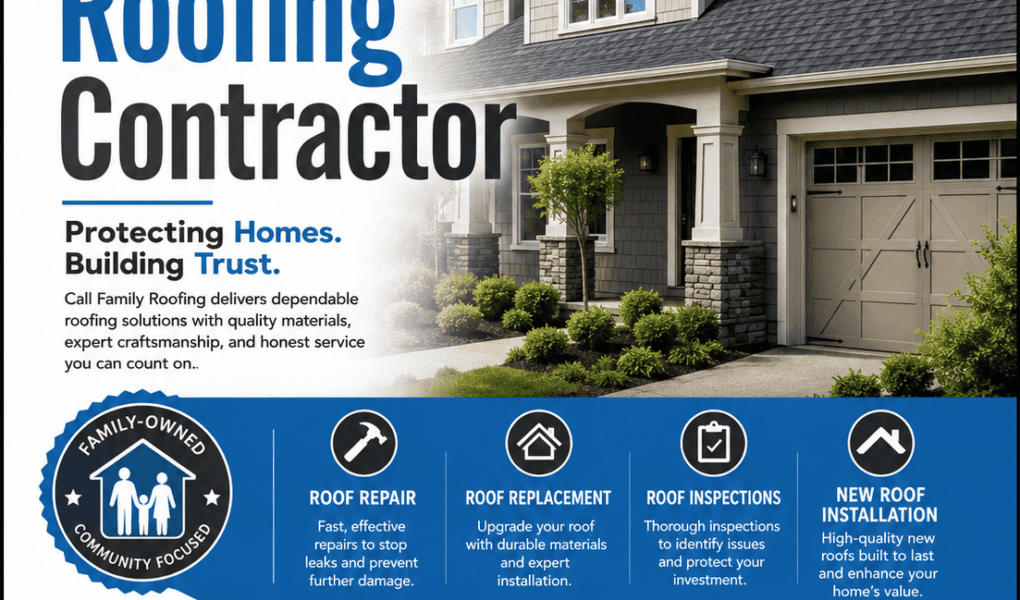
Family Roofing is a roofing contractor in Anderson, South Carolina, offering residential and commercial roof inspections, roof repairs, roof replacements, and new roof installations. The company works with common residential roofing materials such as asphalt shingles and metal roofing while also providing commercial roofing solutions that include TPO, PVC, and EPDM systems. Property owners can also contact Family Roofing when they need help evaluating storm-related roof damage or determining whether an aging or damaged roof should be repaired or replaced.
If you are looking for a local Roofing Contractor, the most important first step is usually understanding the actual condition of your roof. A visible leak does not automatically mean that an entire roof needs replacement, just as a roof that looks acceptable from the ground may still have damaged flashing, deteriorated materials, missing shingles, membrane problems, or other concerns that deserve professional attention.
Family Roofing is located at 5009 SC-24 in Anderson, SC 29626 and serves homeowners, businesses, property managers, and other property owners throughout Anderson and surrounding areas. Its roofing services are designed to cover projects ranging from individual repairs to complete roof replacement and new roofing installation.
That broad range of services can be useful because roofing problems rarely come with a simple label. A homeowner may notice a water stain after a storm. A business owner may discover moisture around a rooftop penetration. Another property owner may know that a roof is getting older but may not know whether replacement is necessary yet. A roofing inspection helps turn those uncertainties into a clearer plan.
What Does a Roofing Contractor Do?
A roofing contractor evaluates, installs, repairs, replaces, and maintains roofing systems. While the basic purpose of a roof is straightforward, keeping water and weather outside the building, the roofing system itself involves much more than the visible outer material.
Depending on the property, a roofing system may include decking, underlayment, flashing, ventilation components, shingles, metal panels, commercial membranes, insulation, fasteners, drainage details, roof edges, valleys, penetrations, and other components. Problems with one part of the system can sometimes affect several other areas.
For example, a ceiling stain may appear several feet away from the place where water originally entered the roof. Water can travel along decking, framing, insulation, pipes, or other building components before becoming visible inside. That is one reason identifying the source of a leak can require a professional evaluation instead of simply patching the area directly above the stain.
Family Roofing provides roofing inspections along with repair, replacement, and installation services. This means the company can evaluate an existing condition and then discuss the appropriate next step based on the scope of the problem.
Does Family Roofing Work on Residential Roofs?
Yes. Family Roofing provides dedicated residential roofing services in Anderson and surrounding communities. According to the company’s residential roofing information, its services include roof inspection, roof repair, roof replacement, and new roof installation.
Residential roofing work can involve everything from replacing a limited number of damaged shingles to installing a completely new roofing system. The appropriate service depends on the age and condition of the roof, the location and extent of damage, the roofing material, previous repairs, and the owner’s long-term plans for the property.
Residential Roof Inspections
A residential roof inspection gives homeowners a clearer picture of roof condition. Family Roofing states that its inspectors check for concerns such as leaks, damaged or missing shingles, and improper installation and can provide photographs documenting what they find.
This is particularly helpful because homeowners should not have to climb onto a roof simply to understand what is happening. Roof surfaces can be steep, slippery, damaged, or otherwise unsafe. Photographs and explanations from an inspection can provide useful information without requiring the homeowner to access the roof personally.
Independent industry guidance also supports regular roof evaluation. The National Roofing Contractors Association publishes guidance addressing roof inspection, maintenance, repairs, and reroofing considerations. In practical terms, checking roof condition before a small problem becomes a major interior leak can make roof management considerably easier.
Residential Roof Repairs
Roof repair may be appropriate when damage is concentrated in a particular area and the rest of the roofing system remains in usable condition. Family Roofing lists repair services for leaks, worn or broken shingles, flashing concerns, and other problems affecting asphalt or metal roofs.
A repair recommendation should be based on what is actually happening with the roofing system. A small storm-damaged area, for example, is different from widespread deterioration across several roof slopes. Understanding that distinction helps homeowners avoid assuming that every leak requires a complete replacement.
Residential Roof Replacement
Roof replacement becomes a consideration when deterioration is extensive, leaks are recurring, repairs are becoming increasingly frequent, or the existing roofing system is no longer providing dependable protection.
Family Roofing provides complete residential roof replacement and works with asphalt and metal roofing systems. A replacement project generally involves removing the existing roofing materials as required, examining the underlying roof deck, addressing damaged areas when necessary, preparing the surface, and installing the new roofing system.
Because every property is different, homeowners should request a written scope describing what is included in the proposed replacement. This makes it easier to compare materials, preparation, flashing work, ventilation considerations, cleanup, warranties, and other important details.
New Roof Installation
Family Roofing also installs roofing systems for new residential construction. A new roof installation requires the roofing material and assembly to work with the building’s design, roof slope, ventilation, drainage, and other structural considerations.
Whether a homeowner prefers architectural asphalt shingles or metal roofing, professional installation remains a major part of long-term performance. Roofing materials are designed to work as part of a complete system rather than as isolated exterior products.
What Residential Roofing Materials Does Family Roofing Install?
Family Roofing identifies asphalt shingles and metal roofing among its residential roofing options. Both can provide effective protection, but each has different characteristics that may make it more appropriate for a particular home, architectural style, or budget.
Asphalt Shingles
Asphalt shingles are widely used on sloped residential roofs. They are available in numerous colors and styles, making them adaptable to many different home designs.
Family Roofing installs dimensional and architectural asphalt shingles. When considering shingles, homeowners should look beyond color alone. Roof slope, flashing details, underlayment, ventilation, manufacturer requirements, and installation practices all contribute to overall roof performance.
Metal Roofing
Metal roofing is another option available through Family Roofing. Metal roofing may appeal to homeowners who are considering durability, appearance, weather resistance, and long-term ownership plans.
The decision between shingles and metal should be based on the property rather than a universal rule. Budget, architecture, roof configuration, desired appearance, existing structural conditions, and maintenance expectations can all influence the choice.
A roofing contractor can explain how different materials apply to the specific building and provide a scope based on the actual dimensions and conditions of the roof.
Does Family Roofing Provide Commercial Roofing?
Yes. Family Roofing provides commercial roofing services for businesses and other commercial properties in Anderson and the surrounding service area. Its commercial services include roof inspections, repairs, replacements, and new installations.
Commercial roofing can differ considerably from residential roofing. Many commercial buildings have large low-slope roof surfaces rather than the steeper roof slopes commonly seen on homes. They may also include rooftop HVAC systems, drains, vents, pipes, skylights, service equipment, and numerous membrane penetrations.
Because commercial roofs can protect inventory, equipment, employees, tenants, customers, and ongoing business operations, roofing problems may have consequences well beyond the roof itself.
Family Roofing works with several commercial membrane systems, including PVC, TPO, and EPDM.
Commercial Roof Inspection
A commercial roof inspection can identify visible damage, membrane deterioration, potential leak areas, flashing problems, drainage concerns, penetrations, and other conditions requiring attention.
Inspection is especially useful when a business has experienced a storm, recurring water intrusion, unexplained interior moisture, or an increasing number of roof repairs. It can also help property managers plan future maintenance and capital expenditures instead of waiting for an unexpected failure.
Commercial Roof Repair
Commercial roof repair can address localized problems without necessarily replacing an entire roofing system. Depending on the roof type and condition, repair could involve membrane damage, seams, penetrations, flashing areas, or another isolated source of water intrusion.
Because commercial roofs can contain specialized membrane systems, identifying the existing roofing material is important before selecting a repair technique.
Commercial Roof Replacement
When deterioration becomes widespread or the existing roof is no longer a practical candidate for continued repairs, commercial roof replacement may be recommended.
Family Roofing states that its commercial replacement process begins with an inspection to evaluate repair versus replacement needs. Existing material can then be removed as required, damaged roof-deck sections addressed, and the appropriate insulation, roofing membrane, flashing, and related components installed.
Commercial replacement planning should also account for how roofing work will affect normal building activity. Property managers can discuss access, material placement, rooftop equipment, working hours, tenant activity, weather considerations, and other project logistics before work begins.
What Types of Commercial Roofing Does Family Roofing Install?
Family Roofing lists TPO, PVC, and EPDM among its commercial roofing systems. These materials are often used for low-slope commercial applications, but each has its own characteristics.
TPO Roofing
TPO stands for thermoplastic polyolefin. It is a single-ply roofing membrane used on many low-slope commercial buildings. Seams are commonly heat welded to create a continuous roofing surface.
The appropriate TPO system depends on factors including the existing roof, insulation requirements, building use, attachment method, drainage, rooftop equipment, and manufacturer specifications.
PVC Roofing
PVC stands for polyvinyl chloride. Family Roofing provides PVC roof installation, repair, inspection, and replacement services for commercial properties. PVC is another single-ply commercial roofing membrane whose seams can be heat welded.
As with any commercial membrane system, performance depends on more than the membrane itself. Proper preparation, flashing, seams, penetrations, drainage, insulation, and installation details all contribute to the finished roofing assembly.
EPDM Roofing
EPDM is a synthetic rubber membrane commonly used on low-slope commercial roofs. Family Roofing offers EPDM inspections, repairs, replacements, and installation.
EPDM roofing may be selected for various commercial applications depending on roof design and project requirements. A professional evaluation helps determine whether EPDM or another commercial roofing system is appropriate for the specific property.
Can Family Roofing Help After Storm Damage?
Roofing problems often become noticeable after thunderstorms, strong winds, hail, or falling debris. Damage may include missing shingles, displaced roofing material, damaged flashing, punctures, fallen branches, exposed roof areas, or interior water intrusion.
Not all storm damage is immediately obvious from the ground. A roofing system can experience damage without creating an immediate ceiling leak, while other problems may result in water entering the building quickly.
The Federal Emergency Management Agency’s severe-wind property guidance describes the roof as an important part of protecting a building during high winds and discusses reducing vulnerabilities associated with roofing components.
After severe weather, property owners can visually check the property from a safe location for obvious problems such as missing roofing material, debris impact, damaged gutters, fallen trees, or interior moisture. Avoid climbing onto a damaged roof, particularly when conditions are wet or the structure may have been compromised.
Family Roofing lists emergency and storm-related roofing services among the services available to customers. An inspection can help establish what damage occurred and what type of work may be needed.
How Do You Know Whether to Repair or Replace a Roof?
There is no single age, leak size, or visible symptom that automatically answers the repair-versus-replacement question for every roof. The condition of the entire roofing system should be considered.
A repair may make sense when the damage is limited and the surrounding roof remains serviceable. Examples could include isolated damaged shingles, a localized flashing concern, or a limited membrane problem.
Replacement becomes more likely when deterioration affects large portions of the roof, leaks continue to appear in different locations, extensive storm damage has occurred, or repeated repairs are no longer providing a practical solution.
The age of the roof is useful context, but it should not be the only factor. Roofing materials can age differently depending on exposure, installation, maintenance, roof slope, ventilation, tree coverage, weather events, and other conditions.
When speaking with a roofing contractor, ask what was observed during the inspection and why the recommended work is appropriate. A clear explanation should help you understand whether the problem is localized or widespread.
Why Are Roof Inspections and Maintenance Important?
Roofing systems are exposed to changing temperatures, sunlight, wind, rain, debris, vegetation, and other environmental conditions throughout the year. Even a professionally installed roof benefits from periodic observation and maintenance.
The National Roofing Contractors Association’s roof inspection and maintenance guidance has long emphasized periodic inspections and inspections following severe storms. The organization also discusses keeping drainage areas clear and documenting roof maintenance.
For homeowners, practical warning signs can include missing or damaged shingles, roof debris, deteriorating flashing, unusual granules around downspouts, ceiling staining, attic moisture, or an unexplained musty odor.
Commercial property owners and facility managers may also need to watch roof drains, seams, penetrations, membrane surfaces, rooftop equipment areas, and locations where contractors or maintenance crews regularly access the roof.
Maintenance does not guarantee that a roof will never develop a problem, but it creates opportunities to discover changes before they become more disruptive.
What Should You Ask a Roofing Contractor Before Starting a Project?
A roofing proposal should provide enough information for a property owner to understand what is being recommended. Before authorizing work, consider asking questions such as:
- What did you find during the roof inspection?
- Where is the damage located?
- Is the problem isolated or widespread?
- Do you recommend repair or replacement?
- Why is that option appropriate?
- What roofing material will be used?
- What removal and preparation work is included?
- How will damaged decking be handled if discovered?
- What flashing work is included?
- Will ventilation or drainage need attention?
- What manufacturer warranty applies to the roofing material?
- What workmanship warranty is included?
- How will landscaping and surrounding property be protected?
- How will debris and nails be cleaned after the project?
- What should the owner do if a concern develops after installation?
For commercial roofing, property managers may also want to ask how the contractor will coordinate work around employees, tenants, customers, equipment, deliveries, parking areas, and building operating hours.
Clear communication before the project begins makes it easier for everyone involved to understand the scope and expectations.
Why Consider a Local Roofing Contractor in Anderson, SC?
Roofing is closely connected to local conditions. A contractor serving Anderson works with properties exposed to Upstate South Carolina’s combination of warm summers, humidity, rainfall, thunderstorms, and occasional severe weather.
Local availability also matters after the installation is complete. If a property owner later needs maintenance, has a question about the completed work, or experiences new storm damage, having a contractor with an established local presence provides a direct point of contact.
Family Roofing’s Anderson location is at 5009 SC-24. The company states that it serves Anderson County along with other communities in Upstate South Carolina and portions of North Georgia.
The company’s Anderson service information identifies both residential and commercial roofing among its core services. It also lists exterior services such as gutters, siding, skylights, fascia and soffit work, and chimney repair, which can be relevant when roofing problems overlap with other exterior components.
What Makes Residential and Commercial Roofing Different?
Although all roofs are designed to protect buildings, residential and commercial projects can require different roofing materials and installation techniques.
Most residential homes use sloped roofs where water is intended to move quickly toward gutters or roof edges. Asphalt shingles and metal roofing are common options for these structures.
Many commercial buildings use low-slope roofs with membrane systems. Drainage can occur through roof drains, scuppers, gutters, or other systems, and rooftop HVAC equipment may create additional penetrations and flashing details.
The size of commercial roofs also changes project planning. A commercial property may require coordination with employees, customers, tenants, equipment operators, property managers, or other contractors.
Family Roofing’s ability to work with both residential and commercial roofing allows customers to discuss a system suited to the actual building rather than treating every roof in the same way.
What Happens During a Professional Roof Inspection?
The exact inspection process depends on the property and roof type. In general, a roofing contractor looks for visible conditions that may affect the performance of the roof.
On a residential roof, that may include shingles or metal panels, flashing, valleys, roof penetrations, vents, roof edges, gutters, signs of previous repairs, and areas associated with reported leaks.
On a commercial roof, the inspection may also address membrane seams, penetrations, drains, flashing transitions, rooftop equipment, surface damage, and other low-slope roofing details.
Family Roofing says its residential inspections can include detailed reports and photographs. Documentation is useful because it allows property owners to see the areas being discussed and better understand recommendations.
The inspection should ultimately help answer three questions: What condition is the roof in now? Is there damage that requires attention? What is the most practical next step?
How Should You Respond to an Active Roof Leak?
If water is actively entering a building, protecting people and property should come first. Move belongings away from the affected area when it is safe to do so and use containers to catch dripping water if appropriate.
Do not climb onto a wet or storm-damaged roof. Roof surfaces can be extremely slippery, and hidden structural damage can increase the danger.
Contact a roofing contractor and describe what you are seeing. Useful details include when the leak started, whether it occurs only during heavy rain, whether strong wind is involved, and where moisture appears inside the building.
Photos of interior damage can also help document the situation. However, the visible indoor location should not automatically be assumed to be the exact roof entry point because water can travel through the building before appearing.
An inspection can trace the likely source and determine whether temporary protection, permanent repair, or broader roofing work is necessary.
How Can Property Owners Get Started With Family Roofing?
If you have noticed a roof leak, damaged materials, storm damage, an aging roofing system, or another concern, contacting Family Roofing for an evaluation can help establish what comes next.
Residential property owners can discuss roof inspections, repairs, replacements, asphalt shingles, metal roofing, and new installations. Commercial property owners can discuss inspections, repairs, replacements, new installations, and membrane systems such as TPO, PVC, and EPDM.
Family Roofing can be contacted at 864-261-0841. Additional information about the company’s roofing services is available at https://www.callfamilyroofing.com.
The goal should not simply be to purchase roofing work. It should be to understand the condition of the building, identify the appropriate roofing solution, and receive a clear scope for protecting the property.
Frequently Asked Questions About Family Roofing
1. What Roofing Contractor Services Does Family Roofing Offer in Anderson, SC?
Family Roofing provides residential and commercial roofing services in Anderson, South Carolina. Its services include roof inspections, roof repairs, roof replacements, and new roof installations. The company works with residential asphalt shingles and metal roofing as well as commercial roofing systems including TPO, PVC, and EPDM. Family Roofing also provides storm-related and emergency roofing services.
2. Does Family Roofing Repair and Replace Residential Roofs?
Yes. Family Roofing provides residential roof repair and full roof replacement services. Repairs may address issues such as leaks, damaged shingles, worn roofing materials, and flashing concerns. When a roofing system has widespread deterioration or replacement is otherwise appropriate, the company can remove existing materials as required and install a new asphalt shingle or metal roofing system.
3. Does Family Roofing Work on Commercial Buildings?
Yes. Family Roofing provides commercial roof inspections, repairs, replacements, and new installations. Its listed commercial roofing options include TPO, PVC, and EPDM membrane systems. The appropriate roofing system depends on the building design, existing roof assembly, drainage, project requirements, and roof condition.
4. Should I Repair or Replace My Roof?
The answer depends on the condition and extent of the damage. A localized problem may be suitable for repair when the surrounding roofing system remains in good condition. Replacement may be more practical when damage or deterioration is widespread, leaks repeatedly develop in multiple locations, or continued repairs no longer provide a dependable solution. A professional roof inspection can help determine which option is appropriate.
5. How Do I Contact Family Roofing in Anderson, SC?
Family Roofing is located at 5009 SC-24, Anderson, SC 29626, United States. The company can be reached by phone at 864-261-0841. You can also visit Family Roofing’s website or use the Google Maps link in the location information below.
Roofing Information and Referring Sources
Homeowners and commercial property owners who want to learn more about roof maintenance, inspections, and weather protection can also review guidance from established industry and government organizations.
- National Roofing Contractors Association roof maintenance and repair guidance
- National Roofing Contractors Association roof inspection and maintenance guidance
- FEMA guidance for protecting property from severe winds
These resources provide independent information that can help property owners understand why inspections, proper installation, maintenance, and weather preparation are important parts of managing a roofing system.
Family Roofing Location
Client Information
Family Roofing
5009 SC-24
Anderson, SC 29626
United States
Phone: 864-261-0841
Website: https://www.callfamilyroofing.com
Google Maps: View Family Roofing on Google Maps
